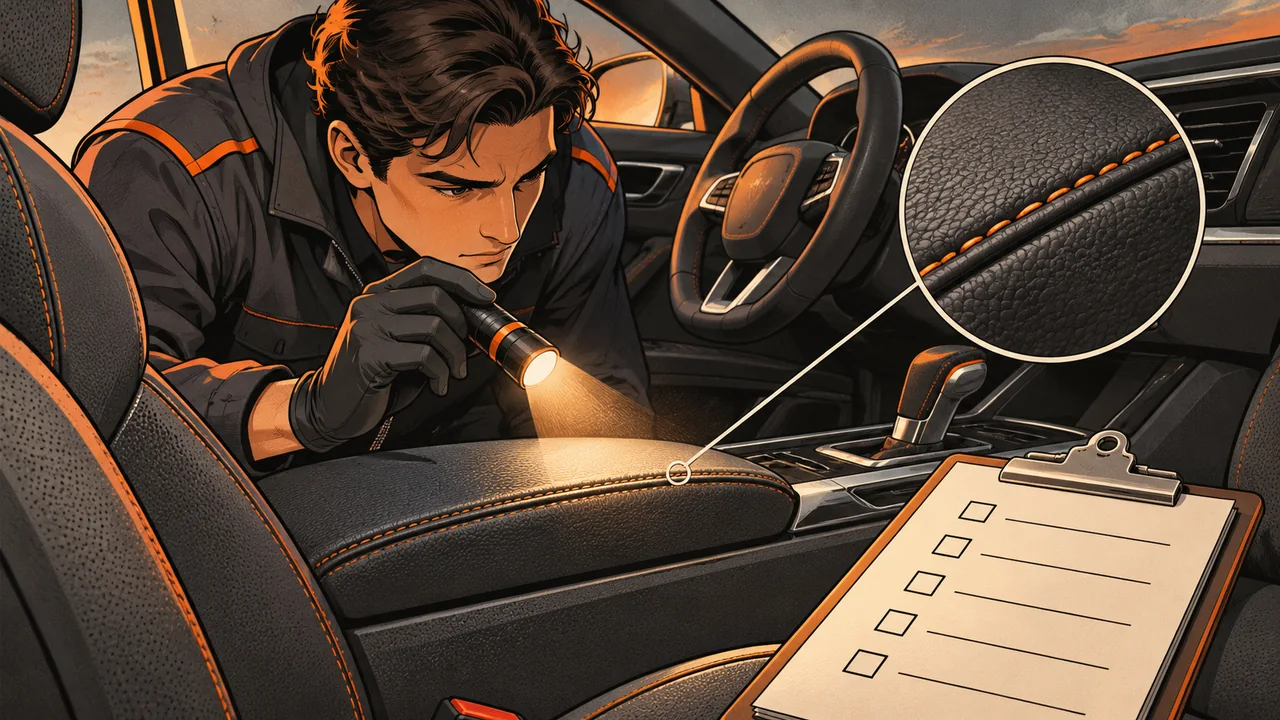
A tidy cabin can show that visible cleaning was done; it cannot prove that every contamination concern has been resolved. A useful restoration record explains the original concern, the inspected areas, the authorized work and the evidence used to evaluate the result. It also names what was not assessed.
This matters when the original issue involved moisture, a significant spill or another specialty condition. The result should be described in terms that the work and evidence can support.
Separate appearance from the actual service claim
Cleaning, sanitizing and disinfecting are not interchangeable words. EPA distinguishes removal of dirt and organic material from antimicrobial treatment claims. If disinfection is part of a proposal, ask which product and labeled use support it, on which surfaces, and under what conditions. A fragrance or a glossy finish is not evidence of that process.
Nor does a product with a legitimate use establish that every surface or hidden layer in a vehicle received the required treatment. The service description should be as specific as the underlying work.
Ask for a record that follows the problem
| Part of the record | What it helps you understand |
|---|---|
| Initial condition | What was observed and what the owner reported |
| Inspection boundaries | Which areas were accessible, inspected or excluded |
| Source work | Whether the underlying entry or spill issue was addressed, and by whom |
| Material decisions | What was cleaned, retained, replaced or referred for evaluation |
| Completion checks | What was checked and what the checks can demonstrate |
| Remaining limitations | What still requires follow-up or another specialist |
These are recommended questions for a clear conversation, not a claim that one universal vehicle remediation checklist exists. The right evidence depends on the concern and the agreed scope.
Be precise about odor
“The odor is less noticeable” describes an observation. “Every source has been eliminated” is a much broader conclusion. If odor was a main concern, ask when and under what conditions the final observation occurred, and what the plan is if it returns.
An owner’s experience is useful feedback, but it does not replace documentation of source work. Conversely, a remaining smell is not enough to identify a specific organism, chemical concentration or health risk. The next step should respond to the evidence rather than adding an unsupported explanation.
Request meaningful checks, not a reassuring label
Photos can show accessible condition. A repair invoice can document a source repair. Material records can identify replacements. Measurements or sampling, when a qualified assessor finds them appropriate, should come with a method and an explanation of their limits.
NIOSH cautions that short-term mold sampling does not translate into a health-risk determination. Its guidance is for buildings, but the limitation is a reason not to market a vehicle sample as a universal “safe cabin” certificate. Do not assume that buying more tests necessarily improves the assessment.
Look for honest completion language
Illustrative example: a completion note might say that identified accessible surfaces were cleaned, specified material was replaced, the source repair was completed by the named repair provider and listed areas were inspected afterward. That describes accountable work. A statement that a vehicle is “sterile” would claim much more.
A good explanation also distinguishes permanent material damage from removable contamination. A discolored or worn surface may remain after the agreed cleaning. The shop should explain the observation and any repair option without claiming that appearance alone proves contamination either present or absent.
Choose the assessment that matches the concern
For ordinary soil, an interior detail may be the relevant starting point. When the history suggests a specialty issue, ask Lava GR about a contamination assessment before selecting a routine package. Share the known history and ask what evidence the proposed service will provide.
If your concern is how a vehicle condition affects someone’s health, take that question to a qualified healthcare professional. A detailing result and a medical assessment answer different questions. The useful promise from the shop is a clearly described scope, documented work and an honest account of its limits.