
How to Request a Specialty Vehicle Cleaning Assessment
Describe the history, affected areas and desired outcome before choosing a treatment. A defined assessment helps separate known work from questions that need inspection.

Describe the history, affected areas and desired outcome before choosing a treatment. A defined assessment helps separate known work from questions that need inspection.

Appearance matters, but it cannot answer every contamination question. Ask what was assessed, what was treated and what evidence supports the stated result.

A clear timeline and a few well-labeled pictures can help a professional understand recurring vehicle moisture. Keep observations separate from guesses about the cause.

One insect sighting does not define the whole problem. Document what you observed and coordinate pest assessment with a clearly scoped vehicle cleaning.
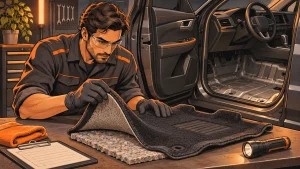
Carpet removal is an access decision, not a routine upgrade. Learn which findings can justify inspecting beneath the surface and what a clear scope should explain.

A laboratory result is only useful when you know what was sampled, where, when and how. Here is what to ask before interpreting a vehicle mold report.

A returning smell is useful information. Record when it appears, what has already been treated and which areas remain uncertain before choosing the next step.

Gasoline in a vehicle is a fire and exposure concern. Get appropriate advice before transport, distinguish a spill from a leak and document the source.

A wet cabin needs more than a shampoo. Distinguish flood exposure from a leak, document what happened and coordinate source repair with interior assessment.
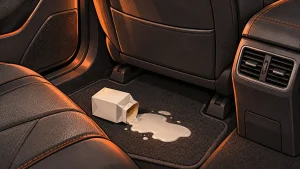
A milk spill is more than a visible stain when it reaches seams or padding. Record the event and get the affected area assessed before repeating surface treatments.